
In the global beauty and skincare industry, packaging is no longer just a container for products. Today, packaging plays a critical role in brand storytelling, user experience, sustainability, and marketing. For modern skincare brands, packaging must communicate trust, functionality, and aesthetics at the same time.
From a user perspective, consumers now expect packaging that is minimal, sustainable, visually elegant, and digitally interactive. Brands that understand these expectations can build stronger relationships with their customers and stand out in competitive retail and e-commerce environments.
In this article, we explore the basic packaging +DESIGN structure for beauty and skincare brands, along with the latest global trends shaping how packaging is created and experienced today.
Understanding the Basic Packaging +DESIGN Structure
A typical beauty or skincare product usually consists of three levels of packaging. Each level serves a different functional and branding purpose.
1. Primary Packaging +DESIGN (Product Container)
Primary packaging is the first layer that directly holds the product, such as a bottle, tube, jar, or pump container. This is the packaging that users interact with every day when applying the product.
From a user point of view, primary packaging must balance functionality, hygiene, and brand aesthetics.
Key elements of primary packaging +DESIGN
- Bottle, tube, jar, or pump mechanism
- Material selection (glass, recyclable plastic, aluminum)
- Product dispensing system (dropper, pump, spray)
- Label or printed brand information
- Ergonomic structure for comfortable use
Today’s beauty consumers also associate packaging materials with brand positioning. For example:
- Glass containers often signal premium skincare products
- Recyclable plastic indicates practical and accessible beauty
- Eco materials highlight sustainability commitment
Modern brands are also moving toward airless pumps and refillable containers to improve product preservation and reduce waste.
A well-crafted primary packaging +DESIGN should make the product feel premium while remaining practical for daily use.
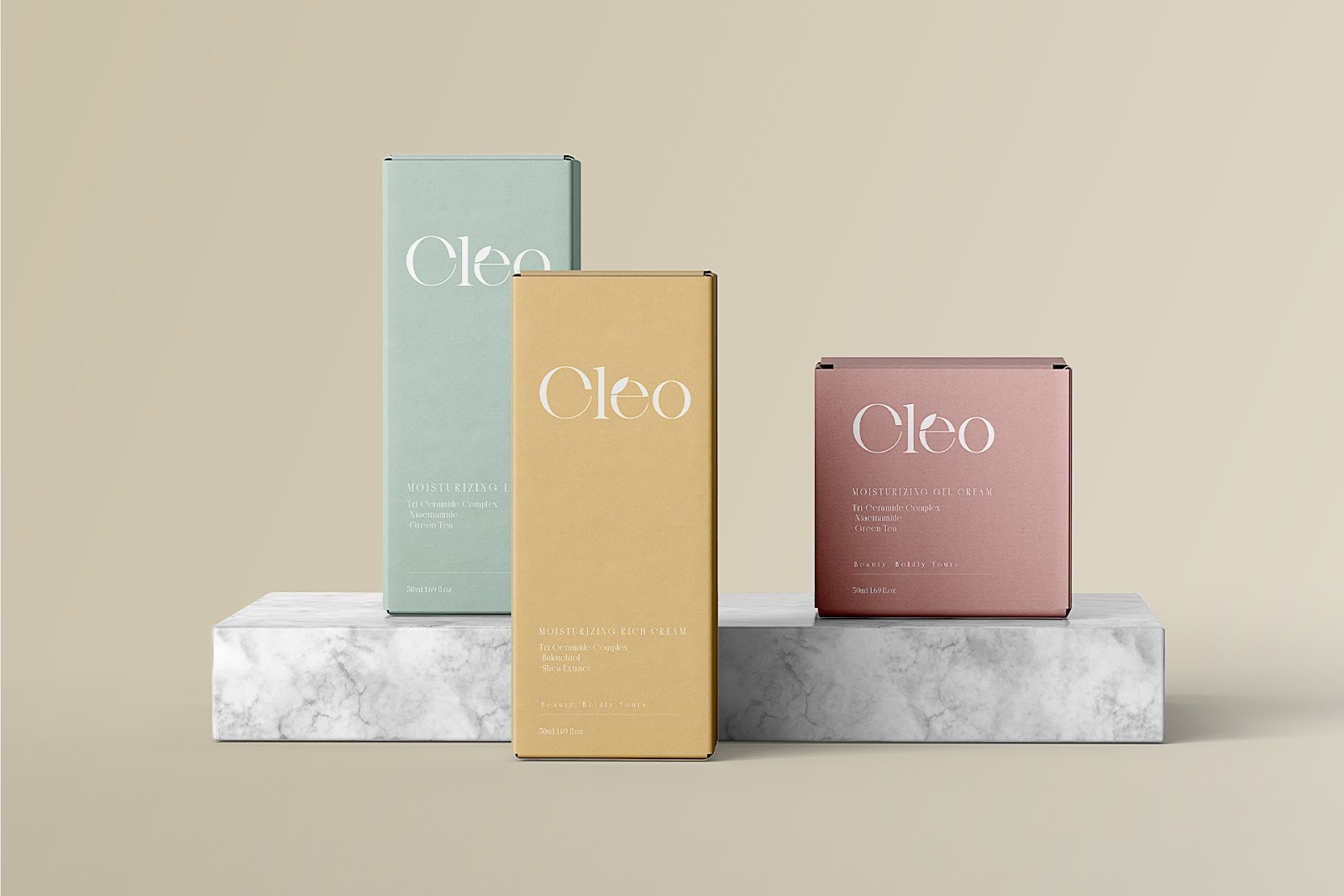
2. Secondary Packaging +DESIGN (Outer Carton)
Secondary packaging refers to the outer box or carton that protects the primary container. This layer is extremely important for retail shelves and e-commerce deliveries.
For skincare brands, secondary packaging is often the first physical touchpoint consumers see before opening the product.
Key components of secondary packaging +DESIGN
- Paperboard carton or rigid box
- Brand storytelling and product description
- Ingredient lists and regulatory information
- Visual identity elements such as color, typography, and graphics
- Structural elements that protect the product during shipping
In recent years, brands have started using minimalist packaging +DESIGN approaches, focusing on simple colors, elegant typography, and reduced visual clutter.
Minimalist aesthetics communicate modern luxury while reducing unnecessary printing and materials.
Many premium skincare brands also use embossing, foil stamping, or matte finishes to create a refined tactile experience.
3. Tertiary Packaging +DESIGN (Shipping & Logistics)
The third level is tertiary packaging, which is mainly used for transportation and logistics.
This layer ensures that products arrive safely during distribution, especially for e-commerce orders.
Typical elements include:
- Shipping boxes
- Protective inserts
- Molded pulp trays
- Paper cushioning or eco protective materials
E-commerce growth has significantly influenced packaging structure. Brands now prioritize lightweight and protective packaging solutions that minimize shipping costs while maintaining product safety.
Key Elements of Effective Beauty Packaging +DESIGN
Beyond structural layers, successful beauty packaging must integrate several essential +DESIGN principles.
1. Visual Identity and Brand Consistency
Packaging is one of the most powerful tools for brand recognition.
Elements such as logo placement, typography hierarchy, and color palette must be consistent across all packaging layers. Research shows that logo visibility and visual attention strongly influence consumer perception of brands.
A strong visual packaging +DESIGN instantly communicates:
- brand personality
- product quality
- target audience
2. Sustainability and Eco Packaging +DESIGN
Sustainability has become one of the most important drivers in packaging innovation.
Consumers increasingly prefer brands that demonstrate environmental responsibility. As a result, beauty brands are adopting:
- recyclable materials
- biodegradable packaging
- refillable containers
- reduced packaging structures
Refillable packaging systems are particularly gaining popularity because they reduce waste while encouraging repeat purchases.
Sustainable packaging +DESIGN is no longer optional—it is becoming a standard expectation in the global beauty market.
3. Smart and Interactive Packaging +DESIGN
Technology is transforming how consumers interact with beauty packaging.
Many brands are integrating digital features such as:
- QR codes for product education
- augmented reality experiences
- ingredient transparency
- tutorials and skincare routines
Smart packaging allows brands to connect the physical product with digital storytelling, creating deeper engagement with customers.
4. Sensory Packaging +DESIGN
Luxury beauty brands increasingly focus on multi-sensory packaging experiences.
This includes:
- matte or textured surfaces
- satisfying opening sounds
- soft-touch coatings
- premium tactile materials
Consumers often associate the feel and sound of packaging with product quality, which strengthens emotional connection with the brand.
Global Trends Influencing Beauty Packaging +DESIGN
Several trends are shaping the future of skincare packaging across global markets.
Minimalist aesthetics
Clean layouts, neutral colors, and simple typography are dominating modern skincare packaging.
Sustainable structures
Refillable containers and biodegradable materials are becoming industry standards.
Smart packaging integration
QR codes and digital interaction features are increasing customer engagement.
Compact and travel-friendly formats
Consumers prefer lightweight packaging that fits modern lifestyles.
Multi-sensory experiences
Textures, finishes, and opening mechanisms are becoming part of brand storytelling.
Why Packaging +DESIGN Matters for Beauty Brands
In today’s competitive beauty industry, packaging is not just a functional element — it is a strategic branding tool.
A well-executed packaging +DESIGN can:
- attract attention on crowded retail shelves
- create memorable unboxing experiences
- communicate brand values
- improve product usability
- increase customer loyalty
For emerging beauty and skincare brands, investing in thoughtful packaging +DESIGN is one of the most effective ways to elevate brand perception in the global market.
Final Thoughts
The basic structure of beauty packaging — primary, secondary, and tertiary layers — remains fundamental to product protection and presentation. However, modern consumer expectations have transformed packaging into a powerful medium for branding, sustainability, and digital interaction.
Today’s successful skincare brands combine functionality, sustainability, minimal aesthetics, and smart technology to create packaging experiences that resonate with global consumers.
At +DESIGN, we believe packaging should not only protect the product but also express the brand’s identity, values, and story in a way that customers instantly connect with.
.jpg)