.jpg)
In today’s competitive food market, packaging is no longer just a protective layer. It has become a powerful storytelling medium that communicates brand personality, product category, and emotional appeal.
Consumers now make purchasing decisions within seconds—especially in supermarkets and online marketplaces. This is why category-centric conceptual packaging +DESIGN has become an important strategy for food brands that want to stand out.
One of the most creative ways to build distinctive food packaging is by drawing inspiration from art movements. When packaging +DESIGN aligns with both the product category and artistic influence, it creates a memorable visual identity that resonates with modern consumers.
In this article, we explore how art movements can inspire category-centric conceptual packaging +DESIGN for food brands and why this approach is gaining popularity in the global food industry.
What Is Category-Centric Conceptual Packaging +DESIGN?
Category-centric conceptual packaging focuses on aligning packaging visuals with the nature of the food product category.
Instead of using generic graphics, the packaging concept visually expresses the essence, culture, and experience of the product itself.
For example:
- Organic foods emphasize natural textures and earthy colors
- Premium chocolates use elegant, artistic packaging structures
- Spices highlight cultural richness and bold visual storytelling
- Healthy snacks focus on freshness, energy, and lifestyle imagery
When this category-centric thinking is combined with art-inspired packaging +DESIGN, brands can build stronger emotional connections with consumers.
Why Art Movements Influence Modern Packaging +DESIGN
Art movements have historically shaped architecture, fashion, and graphic communication. Today, they are also influencing modern packaging +DESIGN strategies in the food industry.
Art-inspired packaging helps brands achieve:
- strong visual differentiation
- cultural sophistication
- premium brand perception
- emotional storytelling
By incorporating artistic philosophies into packaging +DESIGN, food brands can create packaging that feels collectible, expressive, and memorable.
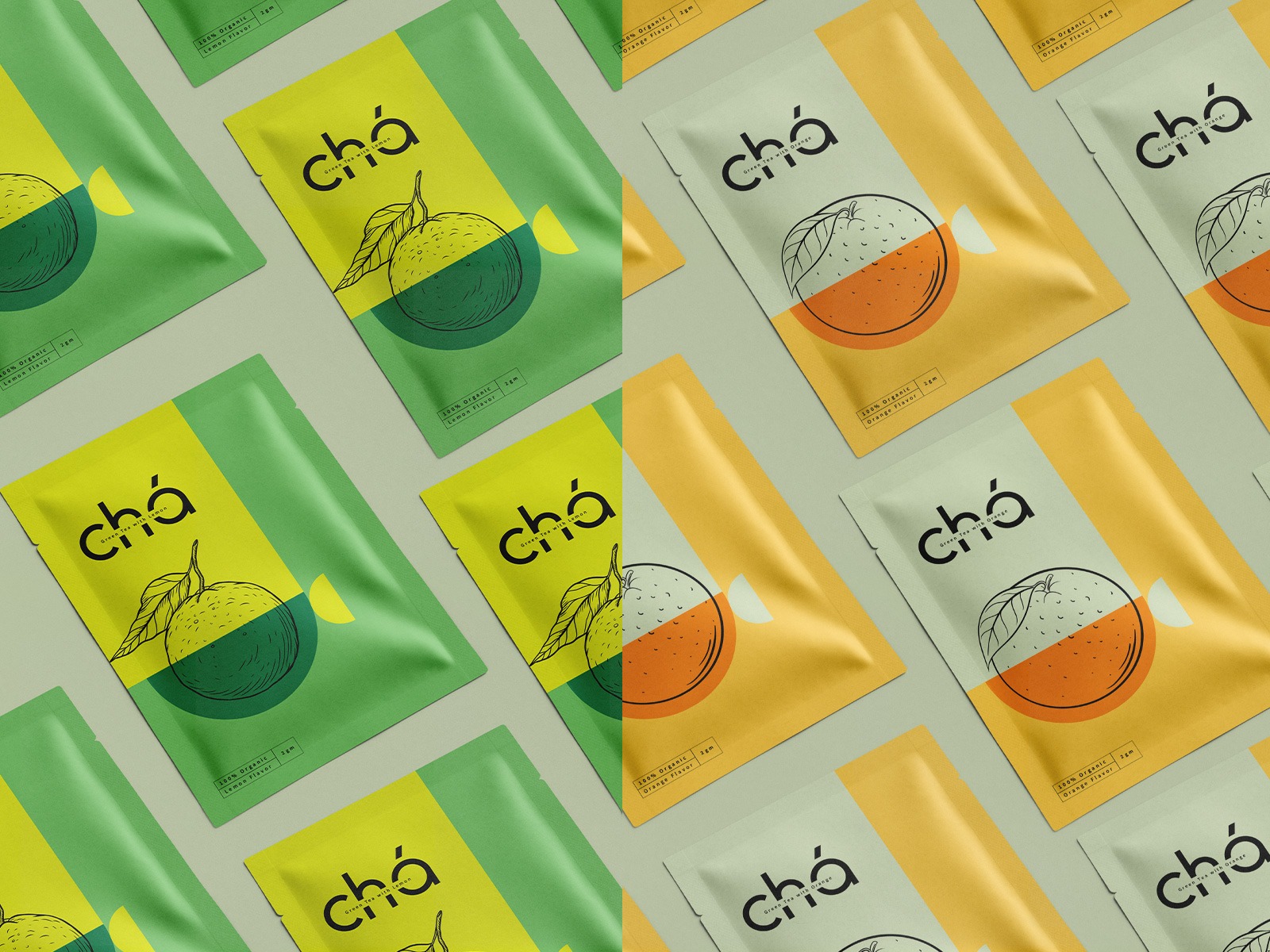
Art Movements That Inspire Food Packaging +DESIGN
Below are several art movements that work exceptionally well in category-centric conceptual packaging +DESIGN for food brands.
Minimalism and Modern Food Packaging +DESIGN
Minimalism is one of the most dominant visual movements influencing modern packaging.
This style focuses on clean typography, limited colors, and simple layouts. Minimalist packaging communicates clarity, quality, and premium positioning.
Best suited for
- Organic food brands
- Healthy snacks
- Plant-based products
- Premium beverages
A minimalist packaging +DESIGN highlights the product itself rather than overwhelming it with excessive visual elements. This approach appeals strongly to modern consumers who prefer clean and trustworthy brand communication.
Pop Art Inspired Snack Packaging +DESIGN
Pop Art is known for its bold colors, playful graphics, and expressive typography. This movement brings energy and personality to packaging.
For snack brands targeting younger audiences, pop-art-inspired packaging +DESIGN can be highly effective.
Best suited for
- Chips and snack foods
- Candy brands
- Energy drinks
- Youth-focused food products
Pop Art packaging +DESIGN creates strong shelf visibility and encourages impulse purchases through vibrant and engaging visuals.
Art Deco for Premium Food Packaging +DESIGN
Art Deco represents elegance, luxury, and geometric sophistication. This movement is particularly suitable for premium food products.
Best suited for
- Artisan chocolates
- Gourmet coffee
- Premium tea brands
- Luxury confectionery
Art Deco packaging +DESIGN often includes symmetry, metallic accents, and decorative geometric patterns. These visual elements communicate refinement and exclusivity, elevating the product’s perceived value.
Abstract Art for Experimental Food Packaging +DESIGN
Abstract art allows for creative freedom and emotional expression. Brands that want to present their products as innovative or artistic can benefit from this approach.
Best suited for
- Craft beverages
- Specialty sauces
- Gourmet packaged foods
- Limited-edition products
Abstract packaging +DESIGN often uses expressive shapes, colors, and textures to create visually intriguing packaging that sparks curiosity.
Folk Art for Cultural Food Packaging +DESIGN
Many food categories are deeply connected to regional heritage and tradition. Folk art can help communicate authenticity and cultural storytelling.
Best suited for
- spices and masalas
- traditional sweets
- regional sauces
- heritage food brands
Folk-inspired packaging +DESIGN integrates patterns, illustrations, and color palettes that reflect cultural roots and artisanal authenticity.
Key Principles of Category-Centric Packaging +DESIGN
When developing conceptual packaging for food brands, several strategic elements should guide the process.
1. Product Storytelling
The packaging must communicate the origin, flavor, and personality of the food product.
Consumers increasingly prefer brands that share authentic stories through their packaging +DESIGN.
2. Shelf Impact
In crowded retail environments, packaging needs to capture attention immediately.
A distinctive art-inspired packaging +DESIGN helps products stand out on shelves and digital marketplaces.
3. Emotional Engagement
Food packaging is closely linked to emotions such as comfort, nostalgia, indulgence, and excitement.
An artistic packaging +DESIGN approach can amplify these emotional connections.
4. Consistent Brand Identity
Even when inspired by art movements, packaging +DESIGN should remain consistent with the overall brand identity.
Typography, color palette, and visual language should be cohesive across product lines.
The Future of Conceptual Packaging +DESIGN in the Food Industry
As the global food industry becomes increasingly competitive, brands are investing more in creative packaging strategies.
Future trends in conceptual packaging +DESIGN include:
- artist collaborations with food brands
- limited-edition collectible packaging
- storytelling through illustrated packaging
- sustainable materials with artistic expression
- packaging that merges culture, food, and visual art
Consumers today appreciate packaging that feels thoughtful, meaningful, and visually inspiring.
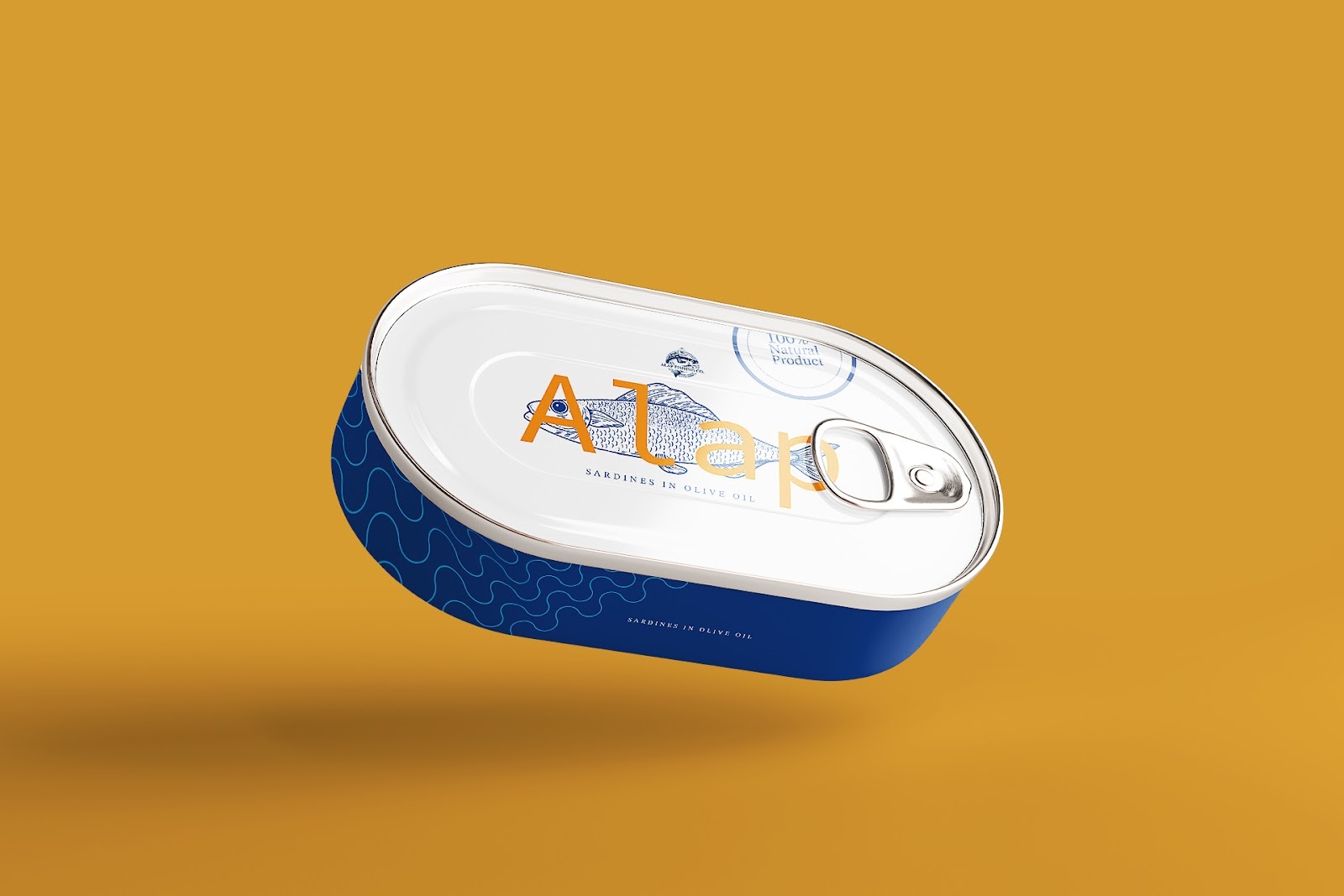
Final Thoughts
Category-centric conceptual packaging +DESIGN allows food brands to align their packaging with both the product category and emotional consumer experience.
By incorporating inspiration from art movements such as Minimalism, Pop Art, Art Deco, Abstract Art, and Folk Art, food brands can create packaging that stands out in the marketplace while expressing a deeper cultural and artistic narrative.
At +DESIGN, we believe packaging should not only protect food products but also transform them into visual stories that capture attention, communicate quality, and create lasting brand impressions.
